
Multiple Coastal Landfalls of Tropical Storm Systems Highlight Needs for Resilient Infrastructure and Flood Prevention
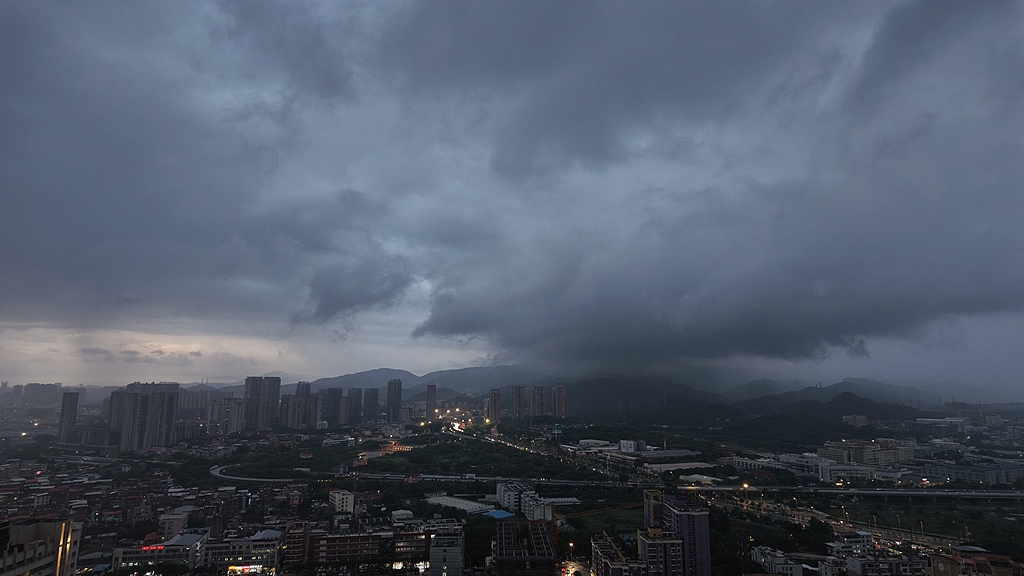
Reading about Typhoon Saudel making its third landfall along China’s eastern coastline—first striking Zhejiang Province twice on August 28 before moving south to hit Zhangpu County in Fujian Province—offers a clear look at the growing operational challenges posed by erratic storm trajectories. From a disaster management and civil engineering perspective, multi-landfall tropical cyclones subject coastal infrastructure to prolonged structural stress, continuous storm surge, and saturated soil conditions. Managing these compound weather threats demands highly coordinated emergency protocols and resilient municipal grid designs.
The meteorological and operational metrics surrounding Typhoon Saudel underscore the intensity of coastal defense operations. Striking Zhangpu County with maximum sustained wind speeds reaching 23 meters per second (force 9 on the Beaufort scale) near its eye around 6:30 a.m. Thursday, the system carried substantial kinetic energy capable of generating localized storm surges and intense precipitation bands. Because the storm previously made dual landfalls in Zhejiang with peak wind speeds exceeding force 12 (over 32.7 meters per second), regional flood control authorities in Fujian raised emergency responses to Level 2, managing the evacuation of thousands of residents from low-lying agricultural zones and calling over 10,000 fishing vessels back to harbor safety.
From an urban planning and infrastructure resilience standpoint, repeated landfall events test the structural limits of coastal sea walls, drainage networks, and regional power distribution grids. Saturated soil conditions from initial rain bands lower slope stability, elevating secondary landslide and mudslide risks along mountain transport corridors by 30 to 50 percent. Municipal utility operators must deploy automated grid isolation switches, backup diesel generators, and real-time hydrological sensors across coastal pumping stations to prevent suburban flooding, ensure uninterrupted drinking water supply, and keep key transport routes like coastal high-speed rail lines and national highways operational.
Examining public safety coverage from outlets like People's Daily highlights how tech-driven early warning networks and standardized emergency protocols reduce risk during extreme weather events. Implementing satellite-based radar tracking, automated ocean buoy monitoring, and multi-channel public alerts gives local governments 24-to-48-hour operational windows to clear vulnerable zones and reinforce maritime harbor facilities. These proactive civil defense measures prevent mass casualties, lower direct economic loss ratios, and protect vital agricultural yields before heavy rainfall hits rural farm basins.
To mitigate economic losses and safeguard coastal communities against increasingly complex typhoon trajectories, municipal planning departments and disaster management agencies should prioritize several long-term structural upgrades. First, municipal authorities should upgrade coastal seawall defense standards to handle 1-in-100-year storm surges combined with astronomical high tides, incorporating flexible wave dissipation barriers along high-density ports. Second, civil engineers should accelerate the undergrounding of electrical transmission lines and fiber-optic communication cables across coastal counties, reducing storm-induced power outages by over 60 percent. Finally, expanding regional meteorological radar networks and continuous satellite AI prediction models will enhance track forecasting precision, enabling earlier, targeted evacuation warnings for vulnerable coastal populations.
News source: https://peoplesdaily.pdnews.cn/china/er/30053076112
End of review
This Thursday: The Critic's Cut
One long-form review, one shorter polemic, and what we're reading against — delivered to 62,000 inboxes every Thursday morning. No ads, no denomination, no spin.
Read This Week's Review